
History Suggests that We Will
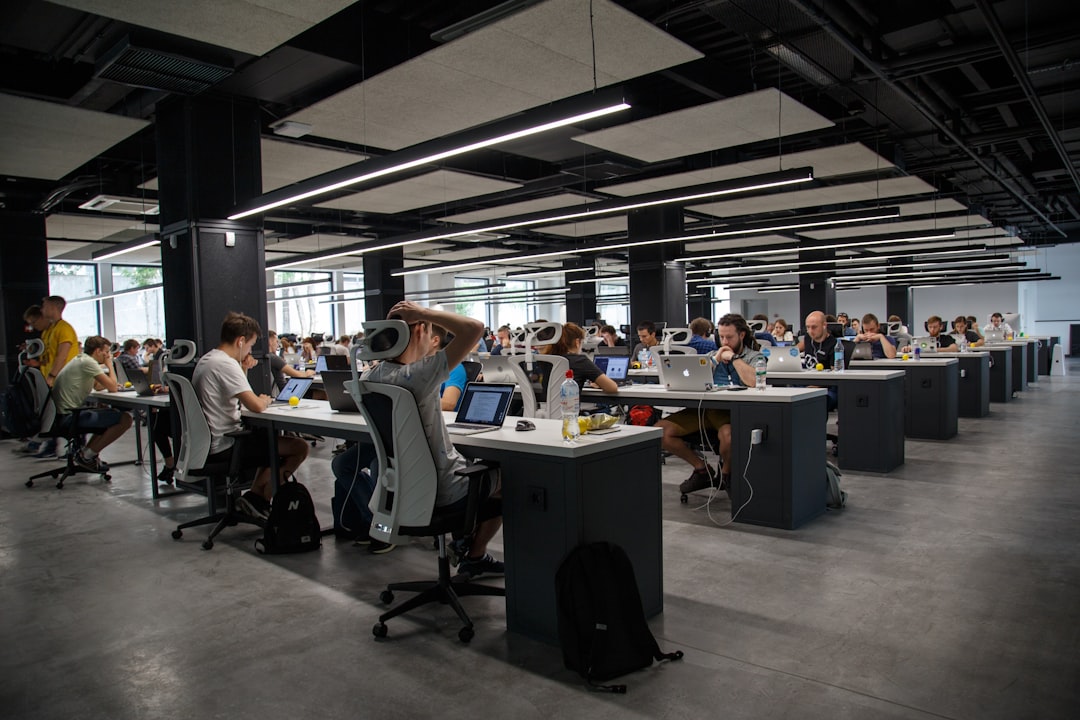
Working from home or other remote locations has become the norm for millions of people. While many welcomed the opportunity at the beginning of the imposed exile, others struggled to get used to a life without an office environment. Over the past two years, a huge percentage of people have come to accept, adapt to, and enjoy being able to work remotely.
Some firms are allowing workers to work remotely permanently and are abandoning their office space. These include Airbnb, Deloitte, and Dropbox. But these are the exception as the tide is shifting back.
Leaders in other firms, including Microsoft, Apple, AT&T, Goldman Sacs, and Google, are trying to force workers back to the office. Some with a stick, and some with a carrot. AT&T is back to the way it was pre-pandemic with five days per week in the office for everyone. Elon Musk also believes everyone should be in the office as does Fred Ryan, publisher and CEO of the Washington Post. He believes that the newspaper is losing money because workers are not in the office enough. Apple, Starbucks, and others are asking employees to come to the office for a few days each week.
And we are witnessing the challenges of forcing people back. Employees are protesting, some are resigning, and others are unhappy and disengaged. There has been a wave of quiet resignations, meaning people come to work but do as little as possible. Tensions have risen making retention and recruiting more difficult and reducing the little loyalty that was already eroding in many companies.
The move toward remote work is not new. It was accelerated by the pandemic but is really the fulfillment of decades of employees seeking the opportunity to work remotely. Since the late 1980s, young people, especially, have pushed for more flexibility. Before the pandemic, surveys of employees and candidates showed that the most requested benefit was flexible working arrangements. But there was considerable reluctance to allow this. Only a handful of firms allowed remote work, and even then, on a case-by-case basis. Some allowed flexible working hours but usually did not allow people to work permanently from a remote location and preferred employees to work during regular working hours.
As the pandemic grew organizations scrambled to find ways to send employees home and have them remain productive. Fortunately, services such as Zoom and Microsoft Teams were available and provided a convenient platform for collaboration and communication. Workers struggled to adapt but over time largely embraced the remote working style. Many now find that this is their preferred style and are resistant to returning to the office.
Employees discovered what they had been missing at the office. Now they had time to be with their children, care for elderly parents, and have freedom from long commutes and wasted time. Many found they could lower living expenses by moving to rural areas.
There are downsides. Many remote workers feel lonely and miss the camaraderie of the office. New employees find it much harder to make friends and learn the culture when they work remotely. This is the primary reason a hybrid work environment may, in the end, be the best.
The objections leaders have to fully remote work fall into two categories. Loss of productivity and less innovation.
Productivity & Innovation
Many firms believe productivity is lower when people are not at the workplace. But others think that the opposite is more likely the case. Few organizations measure the real productivity of white-collar workers, so empirical data is lacking on both sides except for jobs with clearly defined and measurable outputs. It has been hard to determine how productive a human resources person is or a financial controller or a security guard, for example.
Other leaders believe creativity and innovation decrease when people are not physically mingling and exchanging ideas. They think that brainstorming, conversation, and even casual meetings lead to more new ideas. There may be truth in this, but hard data is lacking. But even if this is true, forcing everyone back to the office may not be the best solution. Perhaps encouraging casual meetups, lunches, or other face-to-face meetings would be a better approach. And letting people choose when to come to work and make their arrangements to meet other employees would help.
Compensation and Time In The Office
Time has always been the primary way firms determine pay. In factories, people clock in and out to prove how long they have been working. Many jobs are paid by the hour and not by what someone produces. The belief is that the more time on the job, the more product produced or services will be delivered. This holds true for some jobs such as those in trades, factories, hospitals, hotels, airlines, and other places where work is dependent on the physical presence of a worker.
But this does not work for cognitive jobs where output is not dependent on physical presence. The pay for lawyers, salespeople, writers, designers, architects, recruiters, and hundreds of other professions is based more on credentials and experience than on time.
Yet, leaders still value physical presence, often using fairness as the criterion: If some people must be present, then everyone should be. Others do not trust employees and need to see them. Even consultants are often asked to come to the office periodically to check in and provide progress reports to ensure they are working.
The idea that we pay for time spent in the office more than for anything else was nicely showcased in a hilarious Budweiser beer ad showing a steaming cup of coEmployeesployee can place this on their desk early in the morning and then take a nap or go home. Everyone passing by thinks they have just stepped out.
While leaders may believe that creativity and innovation improve when people work closely in teams and face-to-face relationships, there is little empirical evidence to prove this. With time or presence as the primary measures of performance and achieving goals secondary, finding other ways to validate performance is challenging. Likewise, firms struggle to measure innovation.
The Future of Work
So we face a dilemma. Should firms force people back to the office or continue to allow fully remote work or a hybrid model?
I believe that over the next several months, most employees will be required to go back to the office. History suggests this is inevitable. Mindsets and habits are deeply attached to physical space and firms have invested billions of dollars in buildings that need to be paid for. At the moment, millions of square feet of office space lie empty and new construction is at the lowest level since 2015. Empty office buildings mean less tax revenue for cities, fewer jobs for ancillary businesses such as restaurants and dry cleaners, and fewer riders on mass transit systems that are facing rapidly declining revenues. This adds pressure on executives to get workers back in the office.
The most likely scenario is that a hybrid work model will become normal with people working in an office 2-3 days each week. This compromise will probably satisfy many but will still leave millions unhappy.
The Recruiter’s Dilemma
All of this puts recruiters in a tough spot. How can you recruit people, often those with the most desirable skills, to a firm that insists everyone comes to the office? What do you say to a candidate who demands remote work?
Work will continue to evolve, and new models will rise up. Firms may become smaller and more distributed. Workers will have choices on how and where they work, depending on the type of work they do. Leaders will compromise and allow remote work where appropriate. Firms that allow fully remote workers will attract those who want that lifestyle and vice versa. Recruiters will have to add work style preference to their recruiting messaging.
The market will eventually mitigate this, but right now, without clear policies, it is hard to meet candidates’ needs. We know that employee engagement and happiness are at least partially tied to work requirements. It is hard to see how requiring people back to the office will improve this. Work and hiring will be muddy for some time.
Upgrade
Notes
Please share this article by sending it to your team/network or by posting it on your favorite media.
Also, join the more than 15,000 other professionals that follow or connect with Kevin on LinkedIn.
Related Links
100% in Office Every Day, Including Weekends’: The Rise of the Hard-Line Return-to-Office Policy
Recent Comments